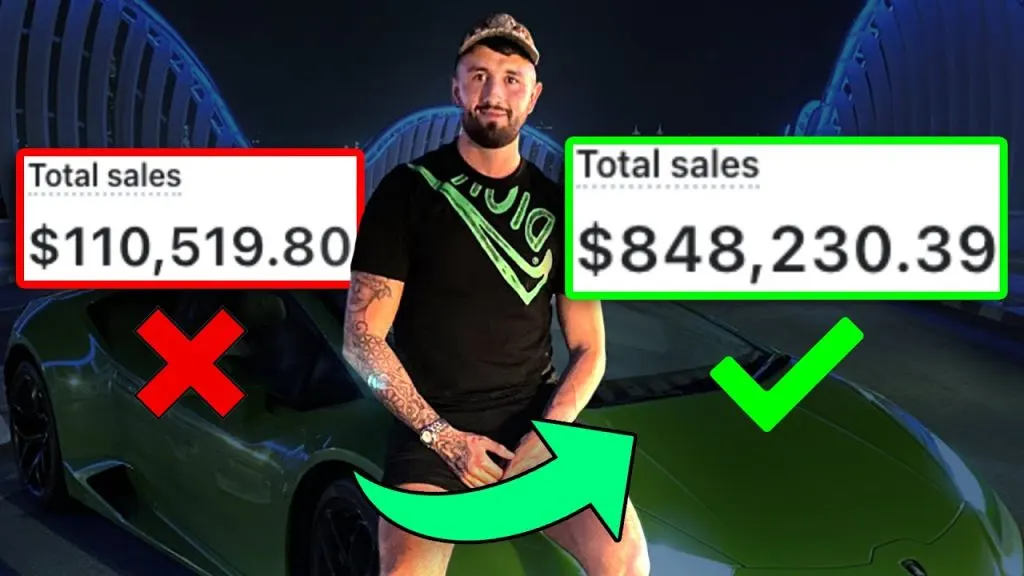
From $100k/mo to $800k/mo With Shopify (Step By Step) | Harvey Carnegie ESS & Elite Interview
Shopify 60 day trial
Step 1: Start by Identifying Your Niche
Related reading : How I Built A $1,000,000 Shopify Dropshipping Store (Step-By-Step) Shopify Dropshipping…
The first step to building a successful Shopify store is identifying the type of products and/or services you want to sell. This process should include extensive research into the type of customers and online markets that exist within your target niche. Once you have identified your niche, you should define a specific product line and create a core set of products and services to promote.
Step 2: Find the Right Suppliers
Once you’ve identified your target niche, you need to start sourcing the products that you’ll be offering. To do this, you’ll need reliable, quality suppliers. For Shopify, this means finding manufacturers and distributors who can supply you with quality products at competitive prides. You’ll also need to ensure that the suppliers are able to handle the volume of orders you’re expecting.
Step 3: Build Your Store
Now that you have identified your niche and suppliers, it’s time to start building your store. Setting up an online store with Shopify is relatively straightforward, but depending on the complexity of your store or the amount of customization, you may also need to hire a developer. Shopify also offers an array of themes, plugins, and other add-ons that can help expand your store’s functionality.
Step 4: Drive Traffic and Customers
Once your store is built, you’ll need to start driving traffic to it. This is where things like SEO, social media, and marketing come into play– all of which can help you increase your visibility and generate more leads. Depending on your budget, you can use digital marketing, influencer marketing, and even traditional methods such as radio, TV, or print ads.
Step 5: Optimize Your Store
One of the most important aspects of running a successful Shopify store is optimization. This includes things like analyzing your store’s analytics data to identify problem areas, implementing split testing to find out what works and what doesn’t, and A/B testing to see which offers, products, or images increase conversions. It’s also important to ensure that your store has a user-friendly checkout process, product pages, and overall customer experience.
Step 6: Scale Your Store
Once your store is up and running and generating a decent amount of revenue, it’s time to start scaling it. This involves expanding your product range, exploring new markets, and focusing on customer retention and loyalty. You may also want to consider outsourcing certain aspects of your store to free up more time to focus on higher-level tasks.
By focusing on the steps outlined above, you can successfully grow your Shopify store from 0k/mo to 0k/mo. It’s a lot of work and requires dedication, but it’s possible if you’re willing to put in the time and effort. Good luck!
Read next
 Shopify
JARED GOETZ: From $0-$2 Million In 60 Days On Shopify Dropshipping! (Full Interview)
Shopify 60 day trial https://www.youtube.com/watch?v=-b7VhlRP0YU ⏳⏳⏳⏳⏳⏳⏳⏳⏳⏳⏳⏳⏳⏳⏳⏳⏳⏳⏳⏳⏳⏳⏳⏳⏳ ⏰14:31-15:11 – How Blake Foun
![$100K Per Month High Ticket Shopify Dropshipping [Step By Step Tutorial]](/images/2023/02/100K-Per-Month-High-Ticket-Shopify-Dropshipping-Step-By-Step.webp) Shopify
Shopify$100K Per Month High Ticket Shopify Dropshipping [Step By Step Tutorial]
Shopify 60 day trial ‘ temperature=’1′ top_p=’1′ model=’text-davinci-003′ presence_penalty=’0′ frequency_penalty=’0′ min
 Shopify
How to Build a Shopify Store from Scratch in 2022 (Step by Step)
Shopify 60 day trial Building a Shopify store from scratch can be a daunting task. But with a little bit of planning and
 Shopify
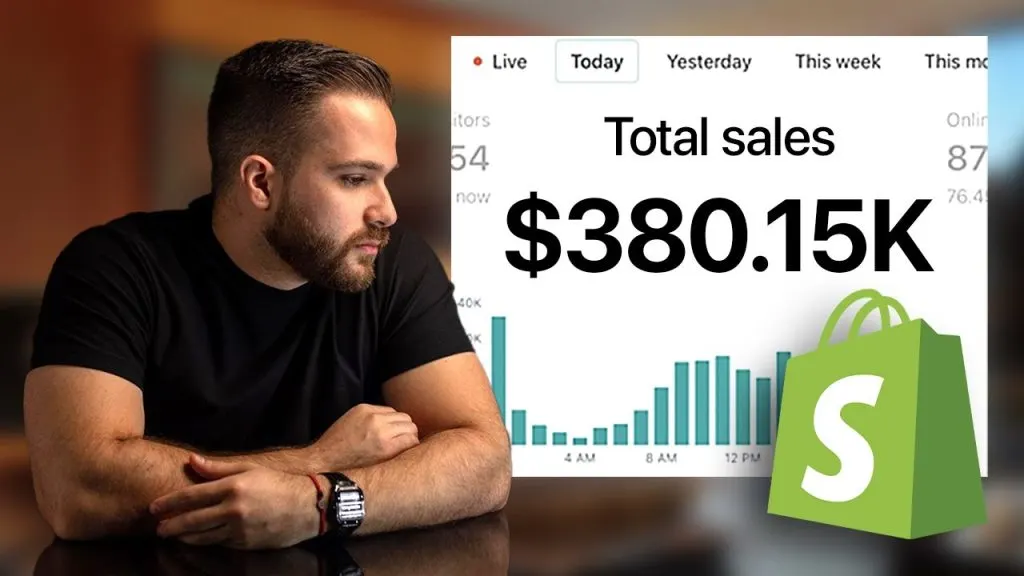
$380,000 In 1 Day With Shopify (How He Did It) | José Lepage Interview
Shopify 60 day trial José Lepage is a digital marketing expert who achieved amazing success with Shopify in just one day