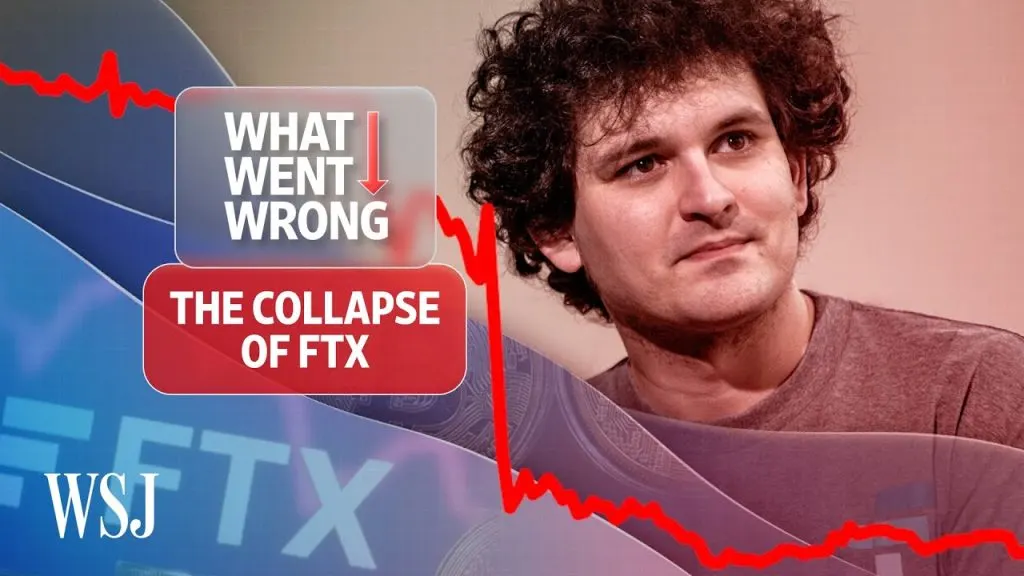
The FTX Collapse, Explained | What Went Wrong | WSJ
Shopify 60 day trial
Com
The FTX collapse has been one of the most dramatic and controversial events in the cryptocurrency world. In short, the collapse was the result of a complicated financial scheme gone wrong. The key players in the scheme were FTX, a cryptocurrency exchange, and two of its users, NucleusVision and BlockFi.
FTX was operating as a margin trading platform, where users could buy and sell digital assets with leverage. The goal of margin trading is to enable users to make larger profits with smaller capital investments. However, when a user takes a leveraged position in a volatile asset, the risks are much higher.
NucleusVision and BlockFi had made a large number of leveraged trades on FTX that had become increasingly risky. In order to manage the risk, they had to add collateral to their positions. In order to raise the necessary collateral, they sold a huge number of Bitcoin and Ethereum, which caused a flash crash on FTX and other cryptocurrency exchanges. As a result, the value of FTX’s coins dropped significantly, causing significant losses for many of its users.
To make matters worse, in the process of raising the necessary collateral, NucleusVision and BlockFi had borrowed significant amounts of USDT (a USD-backed stablecoin) from FTX, and the USDT was used to purchase the BTC and ETH. When the prices of the coins plummeted, the USDT became virtually worthless, leaving FTX unable to pay back its debtors.
Although the situation has been largely resolved, the FTX collapse serves as an important reminder of the risks associated with crypto investing and margin trading. It is also a stark reminder of how volatile these markets can be, and of the potential for unforeseen consequences when trading with leverage.
Read next
 Shopify
What is Shopify Capital: Shopify Capital Explained
Shopify 60 day trial Shopify Capital is a financing program funded and managed by Shopify. The program is designed to pr
 Shopify
Shopify For Beginners – What Is Print On Demand Explained In 60 Seconds
Shopify 60 day trial Print on demand is a form of product customization and self-publishing, in which digital items are
 Shopify
Sign up for free trial of Shopify | Features of Shopify | Briefly Explained | How to Earn through it
Shopify 60 day trial Signing up for a free trial of Shopify is simple. Start by creating a Shopify account. This will re
 Shopify
Shopify For Beginners – How To Make One Million Dollars Explained In 60 Seconds (HACKS)
Shopify 60 day trial 1. Start by creating a Shopify store. 2. Use a great Shopify theme to build a beautiful store. 3. D